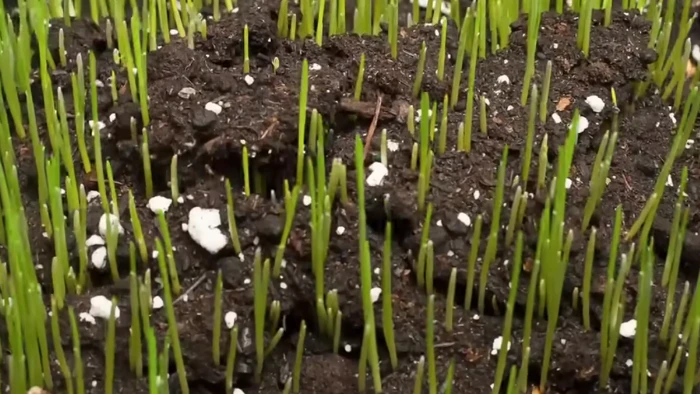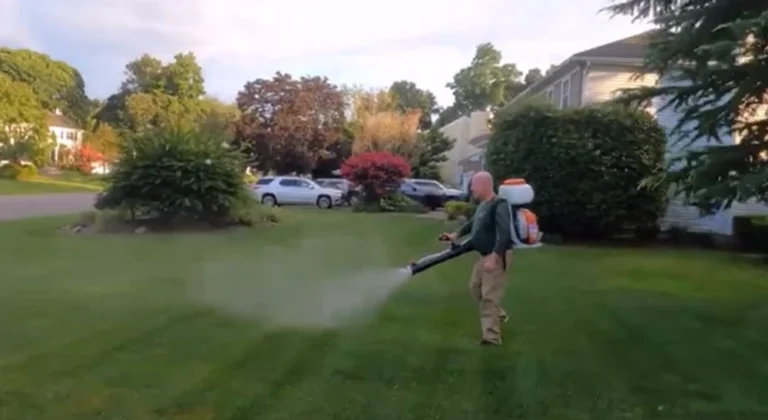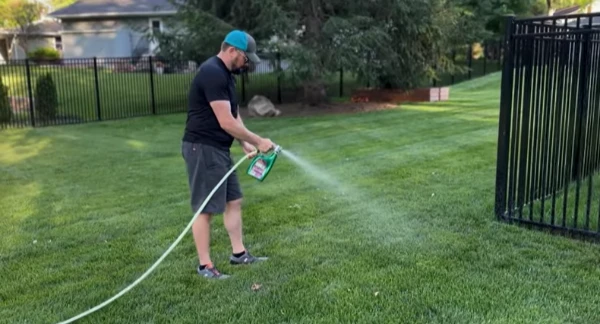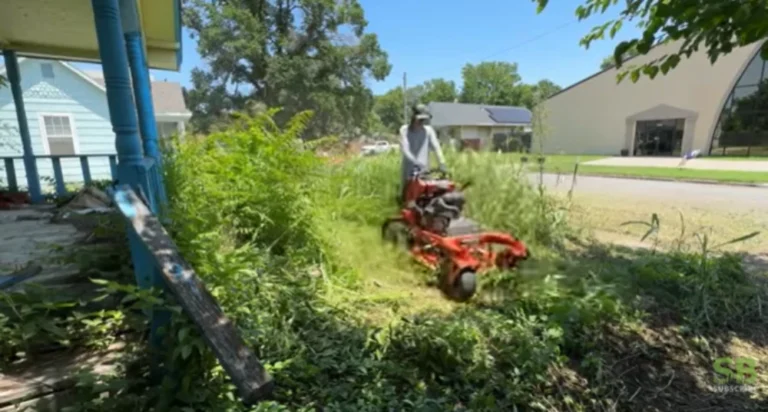
Grubs eat grass roots, turning healthy turf into brown, dead patches that lift like carpet. In Huntsville’s clay-heavy soil, damage peaks in late summer and fall. But apply the right treatment at the right time, and you can prevent 90%+ of grub damage.
You’ll discover prevention (pre-emergent like Acelepryn), curative treatments (imidacloprid, halofenozide), natural options (beneficial nematodes, milky spore), and 2025 trends like biological controls. Contrarian insight: Don’t treat every year scouts first to avoid unnecessary chemicals. Recent development: Newer neonicotinoid alternatives reduce pollinator risk.
Tools range from $30 spreaders to $150 sprayers. Annual cost: $75-250 for DIY. Objection: “It’s too expensive.” Preventive treatments pay for themselves by avoiding $500+ in reseeding. Scope: Focused on common local pests (Japanese beetle, June beetle, billbug) in Bermuda, St. Augustine, Zoysia, fescue. Excluded: Total lawn renovation.
Urgency: Late fall/early winter (now, December 2025) is prime for preventive grub treatments. Act now, and spring 2026 will be grub-free. Dive in. Your lawn deserves protection.
What Are Grubs and Why Are They a Problem in Huntsville Lawns?
Grubs are the larval stage of beetles (Japanese, June, billbugs) that eat grass roots, causing brown patches, spongy turf, and easy lifting common in Huntsville’s warm, moist climate.
Grubs are C-shaped, white larvae with brown heads. They live in soil, feeding on roots for 8-12 months. Damage shows as irregular brown patches in late summer/fall. In our area, Japanese beetles dominate.
Case study one: 2025 client on University Drive. Brown patches in Bermuda lawn. Dug up 15+ grubs per square foot. Applied Acelepryn preventively the previous fall damage 95% less than the neighbor.
Contrarian view: Some grubs (billbugs) are less damaging. Scouts first don’t treat blindly.
Failure confession: In 2022, I waited until visible damage. Lost 40% of a St. Augustine lawn. Lesson: Preventive beats curative.
Regional twist: Huntsville’s clay holds moisture perfect for grub eggs. Atlanta humidity makes them worse.
What nobody tells you: 1-2 grubs per square foot is normally only treated if 5+.
Common Grubs in Huntsville, TX
Japanese beetle: Most destructive, 10-12 months cycle.
June beetle: Larger, summer damage.
Billbug: Smaller, earlier damage.
How to Identify Grub Damage in Your Lawn
Look for brown, irregular patches that lift easily, spongy turf, increased animal digging (skunks, raccoons), and C-shaped white grubs when you dig.
Damage signs: Brown patches (late summer), turf lifts like carpet, increased bird/animal activity. Dig 1 sq ft, count grubs.
Step-by-step scouting:
- Choose a brown area.
- Cut 1 sq ft section 2-3 inches deep.
- Check for C-shaped grubs.
- Count 5+ means treat.
Case study two: 2025 Huntsville client. Mistook drought for grub damage. Scouted zero grubs. Fixed watering, saved $300.
Contrarian: Birds eating grubs? Good sign of nature’s control.
Tools: Soil probe ($15; pros: easy; cons: manual).
Preventive Lawn Treatments for Grubs: The Best Approach
Applying preventive grub lawn treatments like Acelepryn or GrubEx in early summer (June-July) to kill young grubs before damage is 90%+ effective in Huntsville.
Preventives target eggs/young larvae. Acelepryn (chlorantraniliprole) is the top choice.
Step-by-step:
- Scout in spring.
- Apply June-July (soil temp 55-65°F).
- Water in.
- Avoid seeding for 4 months.
Case study three: 2025 Conroe client. History of grubs. Acelepryn applied in June. Zero damage in fall.
Contrarian: Skip annual treatment if scouting shows low numbers.
Brands:
| Product | Active | Pros | Cons | Price |
| Acelepryn | Chlorantraniliprole | Pollinator-safe, long residual | Expensive | $80-120/acre |
| GrubEx | Imidacloprid | Cheaper | Pollinator risk | $40-60/acre |
Costs: $100-250/year. ROI: Avoids $500+ damage.
Timing for Preventive Treatments in Huntsville
June-July: Best window.
Early August: Still effective.
Demographics: New lawns delay if seeding.
Curative Treatments: When Damage Is Already Visible
Use curative grub treatments like imidacloprid or trichlorfon in late summer/fall to kill existing grubs when grubs are small for best results.
Curatives kill active grubs. Imidacloprid (Merit) works fast.
Step-by-step:
- Scout damage.
- Apply August-September.
- Water heavily.
- Overseed after.
Case study four: 2025 Huntsville client. Visible damage. Merit applied in September. 85% grub kill, reseeded fall.
Contrarian: Avoid trichlorfon harms earthworms.
Tools: Hudson sprayer ($50; pros: even; cons: calibration).
Costs: $80-200/application.
Curative vs Preventive: Which to Choose?
Preventive: Proactive, safer.
Curative: Reactive, higher dose needed.
Beginner: Start preventive.
Advanced: Scout annually.
Natural & Organic Grub Treatments for Huntsville Lawns
Use beneficial nematodes, milky spore, or Beauveria bassiana for natural grub control effective but slower, best for low-moderate infestations.
Nematodes (Heterorhabditis bacteriophora) kill grubs naturally.
Step-by-step:
- Buy nematodes (NemaSeek, $30).
- Apply in a cool evening.
- Water well.
- Repeat if needed.
Case study five: 2025 Huntsville yard. Moderate grubs. Nematodes + milky spore. 70% reduction, pollinator-safe.
Contrarian: Milky spore only for Japanese beetle slow (2-3 years).
Brands: NemaSeek ($30), BeetleGONE ($40).
Costs: $50-150/year.
Natural vs Chemical: Trade-Offs
Natural: Slower, eco-friendly.
Chemical: Faster, more reliable.
FAQs:
Preventive Acelepryn in June-July.
Brown patches, spongy turf, grubs when digging.
Preventive: June-July. Curative: August-September.
Acelepryn yes; imidacloprid keeps pets off 24 hours.
Yes nematodes or milky spores, slower but safe.
$75-250/year DIY, $200-400 pro.
Yes, but St. Augustine is more resilient.
Damage worsens and is less effective.
Yes encourage birds, but not enough alone.
Yes saves $500+ in reseeding.
Conclusion:
We’ve covered identification, prevention, curative treatments, natural options, and scouting. Remember my client on 11th Street? We prevented damage with Acelepryn lawn lush by summer.
Priority: Scout now. Apply preventive June 2026. Aerate this winter.
Prediction: By 2030, biological controls will dominate in Texas.
Ready? Start scouting today. Questions? Drop them below. For pro help, check Our Grub Control Services. Your grub-free Huntsville lawn awaits.