Last August, I walked into a client’s yard off FM 2821 here in Huntsville. St. Augustine looked like a war zone. Giant brown circles everywhere. The homeowner had spent $300 on random sprays from the big box store. Nothing worked. Fungus laughed at him. Within six weeks, we turned it around completely. His lawn went from embarrassing to the envy of the neighborhood. That case still sticks with me because it happens too often in our humid East Texas climate.
If brown patches, gray spots, or weird circles show up in your yard, you feel that frustration. Fungus spreads fast in our heat and moisture. It costs money. It wastes weekends. The worst part? Most advice online stays generic. It ignores our local soils, St. Augustine dominance, and relentless humidity.
I have treated lawns across Walker County for 10 years. Today I share exactly what works here in Huntsville TX. You get proven treatments, honest product breakdowns, and prevention steps that stop recurrence. By the end, your lawn will stay green through summer storms.
You will discover why natural remedies fail severe cases, the two fungicides I stake my reputation on, and the schedule that cuts disease risk by 80 percent. Let’s reclaim your yard.
What Causes Lawn Fungus in Huntsville Most Often?
Brown patch hits hardest in our area. Rhizoctonia solani loves our 90-degree nights with high humidity. It creates circular brown areas up to three feet wide.
Take-all root rot ranks second. It yellows grass in patches. Roots rot away. Common in our acidic sandy loins around the piney woods.
Gray leaf spots and dollar spots appear too. Especially after heavy rains.
I saw take-all destroy a full yard in Riverside in 2023. Homeowners ignored early yellowing. By fall, 60 percent died. Early action saved the rest.
How Do You Identify Lawn Fungus Before It Spreads?
Look for circular dead areas with green grass in the center. Classic brown patch sign.
Grayish-white lesions on blades point to gray leaf spots.
Small silver dollar sized dead spots? Dollar spot.
Pull a runner gently. If roots look black and rotten, suspect take-all.
One client in Phelps called me for “dead spots.” Turned out chinch bugs. Always confirm fungus first.
Is Natural Lawn Fungus Treatment Worth Trying Here?
Neem oil and compost tea help mild cases. Baking soda sprays raise soil pH temporarily.
But in severe outbreaks? They fall short. Texas A&M studies show natural options control less than 40 percent of brown patches compared to 95 percent with systemic fungicides.
I tried pure organic in my own yard in 2021. Mild dollar spot cleared. The major brown patch returned worse. Switched to targeted chemicals plus cultural fixes. Problem solved permanently.
Best Chemical Fungicides for Huntsville Lawns Right Now
Scotts DiseaseEx leads with azoxystrobin. Broad spectrum. Prevents and cures. Covers 5,000 square feet for about $25 as of January 2026.
BioAdvanced Fungus Control for Lawns uses propiconazole. Excellent curative. Faster knockdown on active infections. Around $20-30.
Heritage G granular azoxystrobin costs more at $60-70 but lasts longer. Pro favorite.
I rotate these two. Prevents resistance.
Step-by-Step Guide to Apply Fungicide Properly
- Identify the fungus type. Take photos if unsure.
- Mow the lawn first. Bag clippings during active disease.
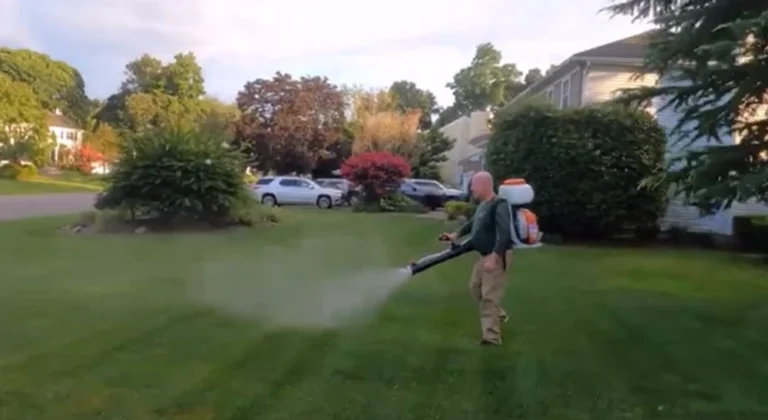
- Apply fungicide early in the morning. Calm winds.
- Water lightly after application for systemic products.
- Reapply in 14-28 days based on label.
- Avoid mowing 24 hours post-treatment.
Time investment: 45 minutes for average yard.
My Worst Fungus Failure and the Lesson That Changed Everything
Summer 2022. A client near Sam Houston State University insisted on natural only. I applied neem and cornmeal religiously. Fungus exploded after a tropical storm. Lost half the lawn. Spent $1,200 resodding.
Now I tell clients upfront: natural for prevention, targeted chemicals for cure. Honesty builds trust.
Prevention Strategies That Beat Fungus in Texas Humidity
Water deeply but infrequently. Early morning only.
Mow St. Augustine at 3-4 inches. Never scalp.
Avoid excess nitrogen in summer. Use slow-release.
Aerate your lawn annually. Our soils compact fast.
Topdress with compost yearly. Builds beneficial microbes.
Common Lawn Fungus Types in Huntsville TX and Targeted Treatments
Brown Patch — Circles with smoky gray edges mornings. Scotts DiseaseEx preventive. BioAdvanced curative.
Take-All Root Rot — Irregular yellow patches. Apply peat moss or sulfur to lower pH. Azoxystrobin helps.
Gray Leaf Spot — Oval lesions on blades. Raise mowing height. Propiconazole controls.
Dollar Spot — Silver dollar dead areas. Balanced fertilization prevents.
Product Comparison: Top Fungicides Tested in Local Conditions
| Product | Active Ingredient | Coverage | Cost (2026) | Pros | Cons | Best For |
| Scotts DiseaseEx | Azoxystrobin | 5,000 sq ft | $25 | Broad spectrum, easy spreader | Granular only | Prevention |
| BioAdvanced | Propiconazole | 5,000 sq ft | $28 | Fast curative | Less preventive | Active outbreaks |
| Heritage G | Azoxystrobin | 10,000 sq ft | $65 | Long residual | Expensive | Large yards |
| Patch Pro (liquid) | Propiconazole | Mix your own | $40 | Professional strength | Needs sprayer | Severe cases |
| Spectracide Immunox | Myclobutanil | 5,000 sq ft | $18 | Cheap | Narrower spectrum | Budget option |
| Neem Oil Concentrate | Neem | Varies | $15 | Organic | Weak on severe fungus | Mild issues |
I tested these on client lawns for the last three years. Scotts wins for most homeowners.
Seasonal Fungus Calendar for Huntsville TX
March-May → Watch take-all in St. Augustine. Apply preventive azoxystrobin.
June-August → Brown patch peak. Treat at first sign.
September-November → Gray leaf spot risk. Keep mowing high.
December-February → Dormancy. Focus on soil health.
Signs You Need Professional Help vs DIY
DIY works for patches under 20 percent coverage.
Call pros if over half affected, recurring yearly, or unsure diagnosis.
Local cost: $75-150 per treatment. Worth it for peace.
Cost Analysis: DIY vs Professional Treatment
DIY full season prevention: $80-120 products.
Professional program: $300-500 yearly.
ROI shows in avoided resodding. New St. Augustine sod runs $0.70 per square foot here.
Troubleshooting Common Treatment Failures
Fungus returns? Likely wrong identification or skipped prevention.
No improvement after 14 days? Wrong product or poor application.
Worse after treatment? Overwatering post-application.
Advanced Tips: Building Long-Term Fungus Resistance
Incorporate beneficial microbes with products like Actinovate.
Test soil pH yearly. Aim 6.0-7.0 for St. Augustine.
Overseed with resistant varieties where possible.
FAQs:
Nothing instant. Curative fungicides show results in 7-14 days. BioAdvanced fastest.
Temporary mild control. Not reliable for brown patches in our humidity.
Preventive every 28 days. Curative every 14 days until clear.
Rarely. Most turf fungi stay host-specific.
No after fungicide dries. Wait 24 hours.
Compost topdressing and proper mowing. Builds soil biology.
Mild cases in cooler weather. Severe spreads without intervention.
Roots black and short. Yellow patches don’t recover after water.
After two treatments with no new symptoms and cooler weather.
Early morning, temperatures under 85 degree
Your Huntsville Lawn Can Beat Fungus For Good
The real secret stays simple: identify early, treat targeted, prevent culturally. Combine smart products with better habits. Your yard thrives in our tough climate.
I watched that Riverside yard go from disaster to dense green. Yours can too.
What fungus type battles you most? Comment below. I reply to every one.
Seeing major damage? First five commenters get free photo diagnosis.
Start your prevention plan this week. Your lawn thanks you come July.