Last summer, a client named Mark from the Pineview Estates area called me in a panic. His two labs and three kids spent every afternoon in the backyard, but suddenly everyone scratched constantly. Fleas hitched rides inside on shoes and pants. Vacuuming and pet treatments helped temporarily, but the source stayed outside in the grass. Mark tried a big-box spray that cost $80 and barely dented the problem. Within weeks, the fleas returned stronger.
I see this every year in Huntsville lawn care. Our humid subtropical climate, proximity to Sam Houston National Forest, and abundant wildlife like deer and feral cats create perfect flea breeding grounds. Fleas do not just annoy, they spread diseases and trigger allergies. The good news? You can break the cycle with the right grass treatment for fleas.
I have helped hundreds of Huntsville homeowners reclaim their yards over the past decade. In this guide, I share proven strategies that work in our East Texas conditions, from natural options to professional treatments. You will learn safe, effective methods that protect kids, pets, and pollinators while delivering lasting results.
By the end, you will know exactly how to treat your lawn, when to act, and which products deliver real value in 2026. Most clients see 90-95% flea reduction in 10-14 days with these approaches.
Why Huntsville Lawns Become Flea Hotspots So Quickly
Huntsville sits in Walker County with average summer highs near 95°F and humidity often above 70%. These conditions accelerate the flea life cycle. Texas A&M AgriLife Extension notes that flea eggs hatch in as little as 2 days in warm, humid weather, and larvae thrive in shaded, moist grass.
Adult fleas lay up to 50 eggs per day on pets, but those eggs fall into your yard. Shaded areas under oaks, pines, and decks become prime habitat. Deer from the national forest and stray cats in town carry fleas into neighborhoods. One untreated property spreads the problem fast.
In 2025, mild winters kept fleas active longer than usual. Many homeowners noticed infestations starting in February instead of April.
Key Local Factors Driving Flea Problems
- High humidity and sandy loam soil retain moisture.
- Abundant shade from piney woods.
- Wildlife vectors near forest edges.
- Year-round mild temperatures in recent years.
Are Chemical Grass Treatments for Fleas Safe for Huntsville Families and Pets?
Yes, when applied correctly by licensed professionals or following label instructions.
Products containing bifenthrin or permethrin kill adult fleas on contact and last 30-90 days. Local companies like Broken Arrow Pest Control and Pro Care Lawn and Pest use these effectively. Once dry (usually 1-4 hours), risk to pets and kids drops low.
However, resistance grows in Texas flea populations. Some strains now survive common pyrethroids. I switched to integrated approaches after noticing reduced effectiveness in 2024-2025.
For families with young children or pets that graze grass, I recommend starting natural and reserving chemicals for severe cases.
Pros and Cons of Common Chemical Options
- Bifen IT → Strong knockdown, affordable, lasts 60-90 days. Con: Potential pollinator impact.
- Talstar P → Professional-grade, similar to Bifen. Con: Requires careful application.
- Permethrin sprays → Fast-acting. Con: Shorter residual in rain.
Best Natural Flea Treatments for Grass That Actually Work in Texas Humidity
Natural does not mean ineffective. These options shine in our climate.
Beneficial Nematodes: My Top Recommendation
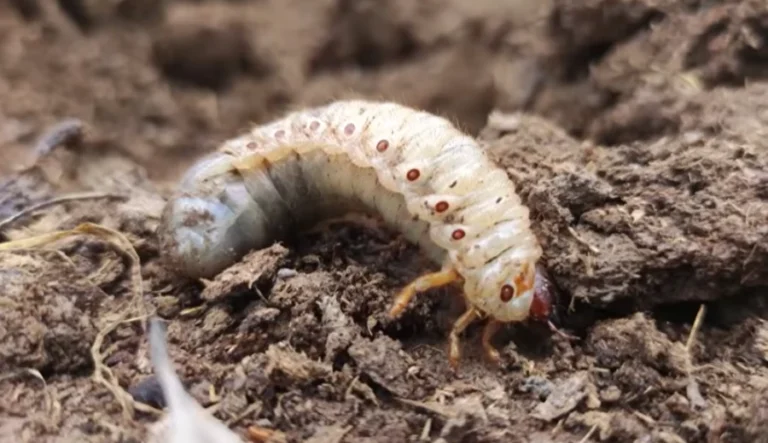
These microscopic worms hunt flea larvae in soil. Species like Steinernema carpocapsae and Heterorhabditis bacteriophora deliver 90-95% control. Apply in early morning or evening when soil temperatures range 55-85°F.
Sources like Arbico Organics and Nature’s Good Guys ship live nematodes with high viability. One 10-million pack treats up to 3,000 sq ft.
Clients in Huntsville report excellent results. One family near Elkins Lake applied in spring and fall zero fleas all summer despite bordering woods.
Food-Grade Diatomaceous Earth
This powder dehydrates fleas mechanically. Spread after mowing, then water lightly. Reapply after heavy rain. Harris and Safer brands work well.
Cedar Oil and Plant-Based Sprays
Wondercide and similar products repel and kill on contact. They smell great but require reapplication every 7-14 days.
Comparison Table: Natural vs Chemical Grass Treatments for Fleas (2026 Pricing)
| Treatment | Cost (5,000 sq ft) | Duration | Pet/Kid Safe When Dry | Effectiveness in TX Humidity | Best For |
| Beneficial Nematodes | $35-50 | 4-6 weeks | Yes | Excellent | Severe or recurring cases |
| Diatomaceous Earth | $20-30 | Until rain | Yes | Very Good | Budget-conscious maintenance |
| Cedar Oil Spray (Wondercide) | $40-60 | 7-14 days | Yes | Good | Pet-heavy households |
| Bifenthrin Granules | $40-55 | 60-90 days | Yes | Excellent (but resistance risk) | Quick knockdown |
Step-by-Step DIY Grass Treatment for Fleas in Huntsville
Follow these steps for best results:
- Treat pets first with vet-approved preventives (Bravecto, NexGard, etc.).
- Mow the lawn short and remove debris.
- Identify shaded, moist hotspots.
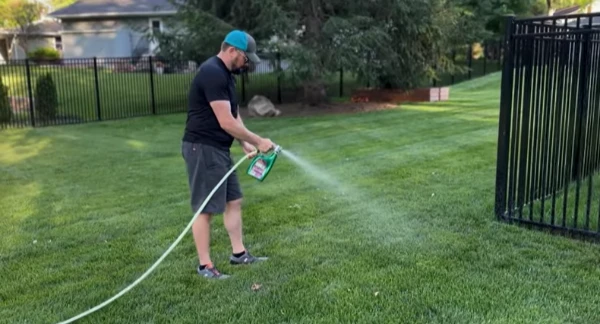
- Apply chosen treatment (nematodes in evening, DE after mowing).
- Water lightly if required.
- Keep pets/kids off until dry.
- Reapply per product schedule.
- Monitor with white sock test weekly.
Timing matters apply to nematodes when soil stays above 50°F.
Case Study: The Johnson Family in Texas Grand Ranch
The Johnsons had a 1-acre yard backing onto woods. Three dogs brought constant fleas inside. Pet treatments alone failed.
We applied beneficial nematodes in shaded areas and bifenthrin in open spots in April 2025. They mowed weekly and cleared leaf litter. Flea counts dropped 97% in 12 days. They maintained fall nematodes and stayed flea-free through 2025.
Professional vs DIY Flea and Tick Treatment for Grass in Huntsville
DIY works great for mild-moderate cases and saves money. Professionals offer better equipment and guarantees.
Recommended Local Companies (2026):
- Broken Arrow Pest Control → Reliable quarterly programs.
- Pro Care Lawn and Pest (Cody Underwood) → Veteran-owned, highly reviewed for fleas.
- Anytime Pest Elimination → No contracts, free inspections.
Expect $75-150 per treatment for average yards.
Common Mistakes Huntsville Homeowners Make with Grass Fals for Fleas
- Treating only sunny areas (fleas love shade).
- Skipping simultaneous pet treatment.
- Applying nematodes in midday heat.
- Using pool-grade instead of food-grade DE.
- Expecting one application to solve everything.
When to Treat Your Huntsville Yard for Fleas in 2026
Start preventive treatments in late February/early March. Peak season runs March-November. Mild winters like 2025-2026 may require year-round vigilance.
Apply nematodes in spring and fall. Use chemical knockdowns during heavy infestations (usually June-August).
Brands and Products I Recommend in 2026
- Arbico Organics Triple Threat Nematodes Best viability and coverage.
- Nature’s Good Guys Hb+Sc+Sf Blend Excellent for Texas soils.
- Harris Food-Grade Diatomaceous Earth Affordable and effective.
- Wondercide Cedar Oil Great natural spray.
- Bifen IT For severe cases needing fast results.
Avoid cheap generics with weak concentrations.
FAQs:
Chemicals kill adults in 24-48 hours. Natural options like nematodes take 7-14 days to disrupt the life cycle.
Absolutely. Most homeowners manage mild cases successfully with nematodes or DE.
Use only nematodes or cedar oil near edibles. Avoid synthetics.
Beneficial nematodes consistently outperform others in humid conditions.
Monthly for natural methods during warm months. Every 60-90 days for chemicals.
It helps expose them but does not eliminate them. Combine with treatment.
Yes during active infestations. Vacuum daily and wash bedding.
Most do, especially around wooded edges common in Huntsville.
Deer and wildlife carry them into residential areas.
Mild winters allow year-round survival in shaded spots.
Take control of your yard today. Start with pet preventives, then apply nematodes or call a trusted local pro. Your family deserves flea-free outdoor time in Huntsville.
What is your biggest flea challenge this year? Share below I respond to every comment.