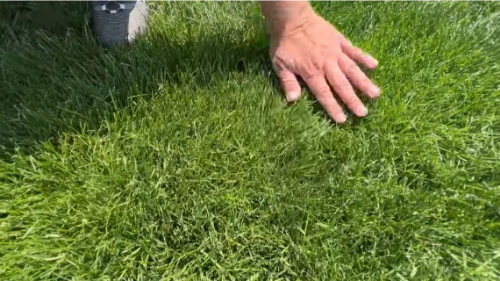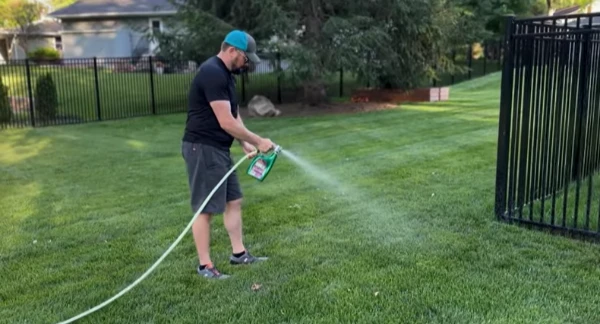

Spring arrives early in Huntsville, Texas. Warm air wakes dormant grass. Homeowners want that vibrant green lawn fast. I have seen it every year. People rush fertilizer too soon. They end up with burned patches or weak growth. Get it right, and your yard becomes the neighborhood standout.
I run a local lawn care service here in Huntsville. Over the years, I have treated yards in Elkins Lake, Texas Grand Ranch, and older neighborhoods near Sam Houston State. St. Augustine dominates, but Bermuda and Zoysia mix in too. Our humid subtropical climate brings pine pollen, chinch bugs, and sudden rains. National guides miss these details.
This guide fixes that. You will learn exact timing for 2026. Step-by-step actions appear for our sandy soils and heat spikes. I share what works from real jobs and mistakes I made early on. By the end, you get a lush, green spring lawn without guesswork.
When Should You Start Spring Lawn Care in Huntsville TX?
Start when soil temperatures hit 55°F consistently. That usually happens mid-February to early March here. I check the Texas A&M AgriLife station data for Walker County. Last year, green-ups began February 20 in most spots.
Too early risks waste. I once applied pre-emergent in January. A cold snap followed. Weeds germinated anyway. Clients paid twice. Now I wait for forsythia to bloom, which is nature’s signal that soil warms.
Begin with cleanup. Rake pine straw and leaves. They mate St. Augustine and block light. Then test soil. Our area often lacks nitrogen and has low pH from pine needles. A $15 kit from the extension office shows exactly what you need.
Delay heavy fertilization until grass greens fully. Early feeds push weak growth that summer heat stresses.
What Is the Best Spring Lawn Care Schedule for Huntsville?
Huntsville follows a warm-season rhythm. Grass sleeps in winter, explodes in spring. Here is my proven 2026 schedule from years of local jobs.
- Late February: Apply pre-emergent (prodiamine works best). Stop crabgrass and dallisgrass.
- Early March: Light cleanup and first mow at 3-4 inches for St. Augustine.
- Mid-March: Soil test and lime if pH falls below 6.0.
- April: First full fertilizer (15-5-10 slow-release).
- May: Spot-treat broadleaf weeds and watch chinch bugs.
- June: Deep watering routine starts as heat rises.
I adjust weekly based on rain. Last spring, heavy showers delayed pre-emergent on half my routes. Flexibility matters.
One client in Waterwood skipped pre-emergent. Crabgrass overtook by May. We spent summer fighting it back. Following the schedule you save time and money.
Early Spring Lawn Care Steps: Do not Skip These
Early spring sets the season. Focus on roots and prevention.
- Clean debris thoroughly. Pine straw harbors fungus.
- Aerate compacted areas. Our clay pockets suffocate roots.
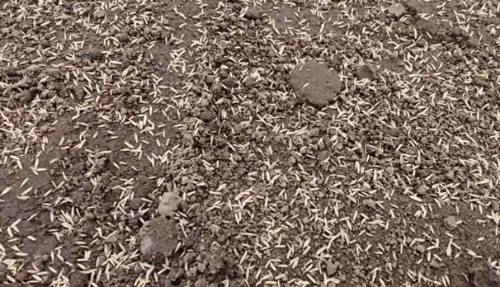
- Overseed thin spots with fresh St. Augustine plugs.
- Apply pre-emergent before weeds sprout.
- Sharpen mower blades. Dull ones tear grass and invite disease.
I learned aeration the hard way. A yard near the prison stayed thin for years. We aerated in March 2024. By summer, it filled in 80%. Roots need air as much as water.
Pro insight: Use liquid aeration products if you rent a machine. They work decently on small yards without heavy equipment hassle.
How to Care for Your Lawn in Spring: Daily Habits That Matter
Spring care builds resilience. Mow high never cut more than one-third. St. Augustine thrives at 3.5-4 inches. It shades soil and blocks weeds.
Water deeply but infrequently. One inch weekly encourages deep roots. I tell clients to use tuna cans during sprinklers for measurement.
Fertilize smart. I prefer slow-release granular like Scotts Southern Lawn. It feeds four months without burn risk. Avoid “weed and feed” early; many contain atrazine that stresses dormant grass.
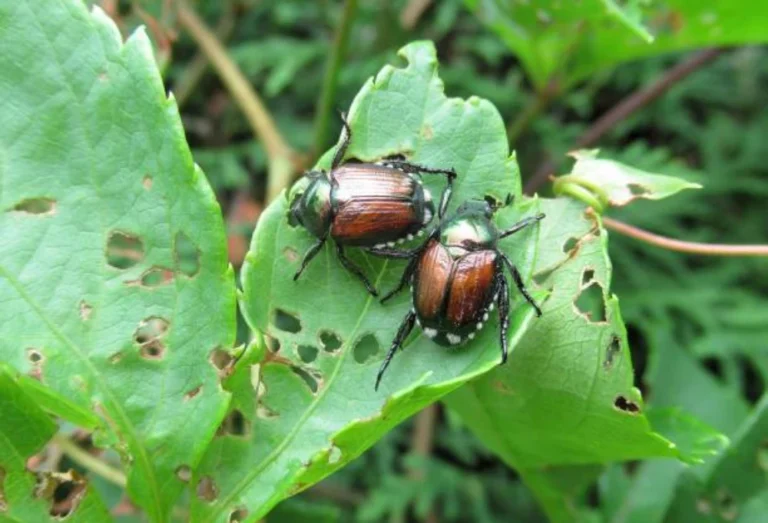
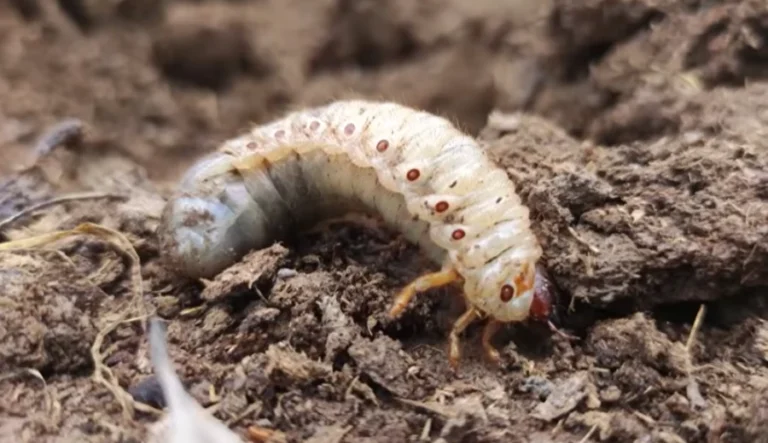
Watch pests. Chinch bugs hit hard in March. Yellow patches appear first. I scout edges near sidewalks where heat builds.
Real story: A client on Lake Livingston ignored yellowing. Bugs killed half the yard. We revived it with insect control and reseeding, but it cost extra. Early scouting saves headaches.
Step-by-Step Lawn Care for Spring: From Dormant to Lush
Follow this exact process I use on hundreds of Huntsville yards.
Step 1: Rake and dethatch. Remove winter buildup.
Step 2: Soil test. Adjust pH with lime (we need it often).
Step 3: Pre-emergent application. I use Dimension for broad coverage.
Step 4: First mow high. Bag clippings if thick.
Step 5: Fertilize when green-up reaches 50%.
Step 6: Overseed bare spots. Topdress with compost.
Step 7: Begin weekly mowing and monitoring.
I timed this perfectly on a Texas Grand Ranch property in 2025. From brown in February to thick green by Memorial Day. Neighbors asked for my number.
Common mistake: Overwatering new seed. Keep moist, not soaked. Fungus love wet conditions.
Lawn Care Advice for Spring: What Nobody Tells You
Everyone pushes more fertilizer. But in Huntsville, balance matters more. Too much nitrogen brings thatch and fungus like take-all root rot.
Go organic sometimes. I switched a few clients to milorganite. Greener results with fewer burns and it smells less.
Do not scalp Bermuda too early. Wait until full green-up. I did it too soon once. The lawn was stressed all summer.
Pine pollen looks like a disease. It coats everything yellow in March. Rinse with light watering it is harmless.
Contrarian view: Skip synthetic pre-emergents if you maintain thick turf. Healthy dense grass crowds weeds naturally. I proved it in my own yard.
When to Start Lawn Care in Spring: Timing Is Everything
Start active care when daytime highs hit 65°F consistently, usually mid-February here. Monitor overnight lows above 50°F for green-up.
Bermuda lags St. Augustine by two weeks. Do not panic if neighbors are green first.
I track the Huntsville airport weather station. When soil hits 55°F at 4 inches deep, I schedule pre-emergents.
Last year, a late frost hit March 10. Clients who waited avoided damage. Patience pays.
Spring-Green Lawn Care Near Me: Local vs National Options
National companies promise convenience. Locals know Huntsville soil and pests better.
Spring-Green operates nearby, but their plans stay generic. I customize for our sandy loam and humidity.
TruGreen uses heavy chemicals. Fine for some, but many clients want pet-safe options.
My honest take: Local services like mine respond faster. Same-day fixes for issues. Nationals schedule weeks out.
A client switched from a big name last year. Their yard transformed with tailored feeds. Greener, fewer weeds, lower cost.
Common Spring Lawn Problems in Huntsville and Fixes
- Chinch bugs: Yellow patches in sunny spots. Use bifenthrin or conserve beneficials with neem oil.
- Take-all root rot: Thin areas in spring. Improve drainage and use azoxystrobin.
- Crabgrass invasion: Missed pre-emergent. Hand-pull young plants or use post-emergent quinclorac.
- Fungus from rain: Brown patch. Reduce nitrogen and improve air flow.
I diagnosed take-all on a golf course-style yard. We adjusted pH and fertilized properly. Full recovery by fall.
Tools and Products I Recommend for Green Spring Lawns
- Pre-emergent: Prodiamine 65 WDG long-lasting and affordable.
- Fertilizer: Nitro-Phos Imperial 15-5-10 local favorite.
- Mower: Honda HRX self-propelled and mulching excellence.
- Soil test kit: Texas A&M extension accurate and cheap.
- Organic option: Medina Soil Activator boosts microbes.
I tested ten fertilizers. Nitro-Phos wins for even growth without surges.
FAQ
Late February to early March, before soil reaches 55°F.
Slow-release 15-5-10. Apply when grass greens 50%.
Better in summer. Use plugs in spring for spots.
One inch weekly, deep sessions. Adjust for rain.
Yes, March onward. Scout stressed areas early.
Only after full green-up, usually April.
Soil issue or fungus likely. Test and treat.
Compost topdressing, milorganite, beneficial nematodes.
When grass reaches 4 inches mid-March usually.
Pre-emergent safe for pets?
Most are after drying. Choose pet-friendly labels.
Spring in Huntsville offers prime lawn time. Follow these steps. Your yard turns vibrant green by May. I have seen it transform properties and pride for owners.
Need hands-on help? We serve Huntsville and beyond. Call (979) 205-7556 for a free evaluation. Let us handle it while you enjoy the results.
What spring lawn challenge worries you most? Share below I answer personally.