Best Lawn Aeration Services in Huntsville
Professional lawn aeration service near me core aeration that relieves compaction, boosts roots, and delivers thicker, greener grass. Trusted aeration lawn services in Walker County.
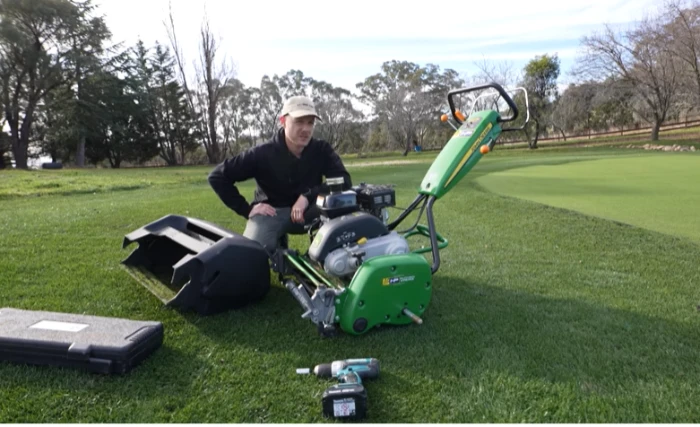
Equipment Behind the Best Lawn Aeration Service
Commercial core aerators that deliver deep, consistent results every time.
Our Step-by-Step Lawn Aeration Process
We keep things simple but thorough. Usually we start with a quick walk around your property to check soil conditions and grass type. Sometimes it varies if there’s heavy thatch, we might suggest dethatching first, but aeration alone handles a lot. Next, we flag any sprinkler heads or shallow lines so nothing gets damaged. Then comes the actual aeration using professional core machines that pull plugs about three inches deep. We make multiple passes for even coverage, especially in high-traffic spots.
After that, we leave the plugs on the lawn to break down naturally they add organic matter back in. If conditions look right, we can follow up with overseeding or fertilizing the same day so everything gets down deep. Finally, we go over watering instructions. In our experience, light watering for the first week helps recovery without washing plugs away.
We always clean up any mess and answer questions before leaving. Safety comes first we wear proper gear and keep equipment maintained. Some companies rush through, but we’re pretty particular about doing it right.
Areas We Serve Around Huntsville
Why Huntsville Lawns Are Unique (And How We Handle It)
Huntsville sits in the Piney Woods, so soils range from sandy loam near the Trinity River to heavier clay further in. Many properties have both in one yard. Humidity stays high, and pine trees create acidic conditions plus shade challenges. St. Augustine thrives in partial shade but needs help breathing under thatch. Bermuda takes full sun but suffers in compacted spots.
We know neighborhoods like Elkins Lake with bigger lots and established trees, or newer subdivisions like Texas Grand Ranch where builders leave construction compaction. Near the university, rental properties get heavy use. Out toward Huntsville State Park, sandy pockets drain fast but still benefit from aeration before fertilizing. Local regulations rarely require permits for basic lawn work, but we stay current anyway.
Weather patterns bring sudden downpours that pound soil, followed by heat. We’ve learned tricks like timing around pine pollen season to avoid extra buildup. Between you and me, national chains don’t always adjust for these details. Our local knowledge makes the difference.
Why Choose Our Lawn Aeration huntsville Services
We pay attention to details others miss, like adjusting patterns around trees or slopes. Our team knows East Texas conditions inside out. Pricing stays fair no surprise fees.
Realistic benefits include thicker turf that handles summer better and needs less watering. Customers get peace of mind from reliable scheduling and follow-through. We believe local service beats distant companies every time.
What Happens If You Skip Aeration Around Here
Ignoring compacted soil catches up eventually. Roots stay shallow, so grass burns out faster in summer heat. Water runs off instead of soaking in, leading to muddy spots or dry patches side by side. Weeds move in because they handle tough conditions better than turfgrass. In our humid climate, poor drainage invites fungus too.
Local weather makes it worse. Heavy spring rains compact everything, then drought stress hits in July. Pine needles add thatch that holds moisture on top and encourages disease. From what we’ve seen, lawns left unaerated thin out over time and need more chemicals to stay green. Early aeration saves money long-term you use less water and fertilizer. It’s more complicated than it sounds, but skipping it usually means bigger problems later. We can’t fix everything overnight, but regular care keeps things manageable.